
MACSE 2 results: look at the planes that never landed
Risultati MACSE 2: guardare gli aerei che non sono atterrati
Nelle sale riunioni di tutti gli investitori indipendenti (e di più di un off-taker), oggi, si parla di una cosa sola: chi ha vinto il MACSE, a che prezzo, con quali numeri. Si smontano i bid, si ricostruiscono i capex, si prova a indovinare i ricavi che stanno dietro quell’11.382 €/MWh-anno di media, il 12% sotto il 2028 e a distanza siderale dal premio di riserva di 27.000. È un esercizio legittimo e lo abbiamo fatto anche noi di ONE. Ma la parte più interessante è forse un’altra.
Partiamo comunque da lì. Su Enel c’è poco da aggiungere: ha replicato la strategia dell’anno scorso, esattamente come chi conosce il mercato si aspettava. Il vero oggetto dell’analisi riguarda gli indipendenti che si sono portati a casa un pezzo di contingente. Quei progetti stanno in piedi da soli, a questi prezzi, oppure sono l’enabler di un investimento di portafoglio più grande e quindi non replicabili da chi ragiona su un singolo asset? Dalla risposta dipende come leggere quel ribasso: come il prezzo che il mercato è davvero in grado di sostenere, oppure come il prezzo di chi può permettersi margini sottili su questo tavolo perché i conti li fa altrove.
Ma ora andiamo alla parte più interessante.
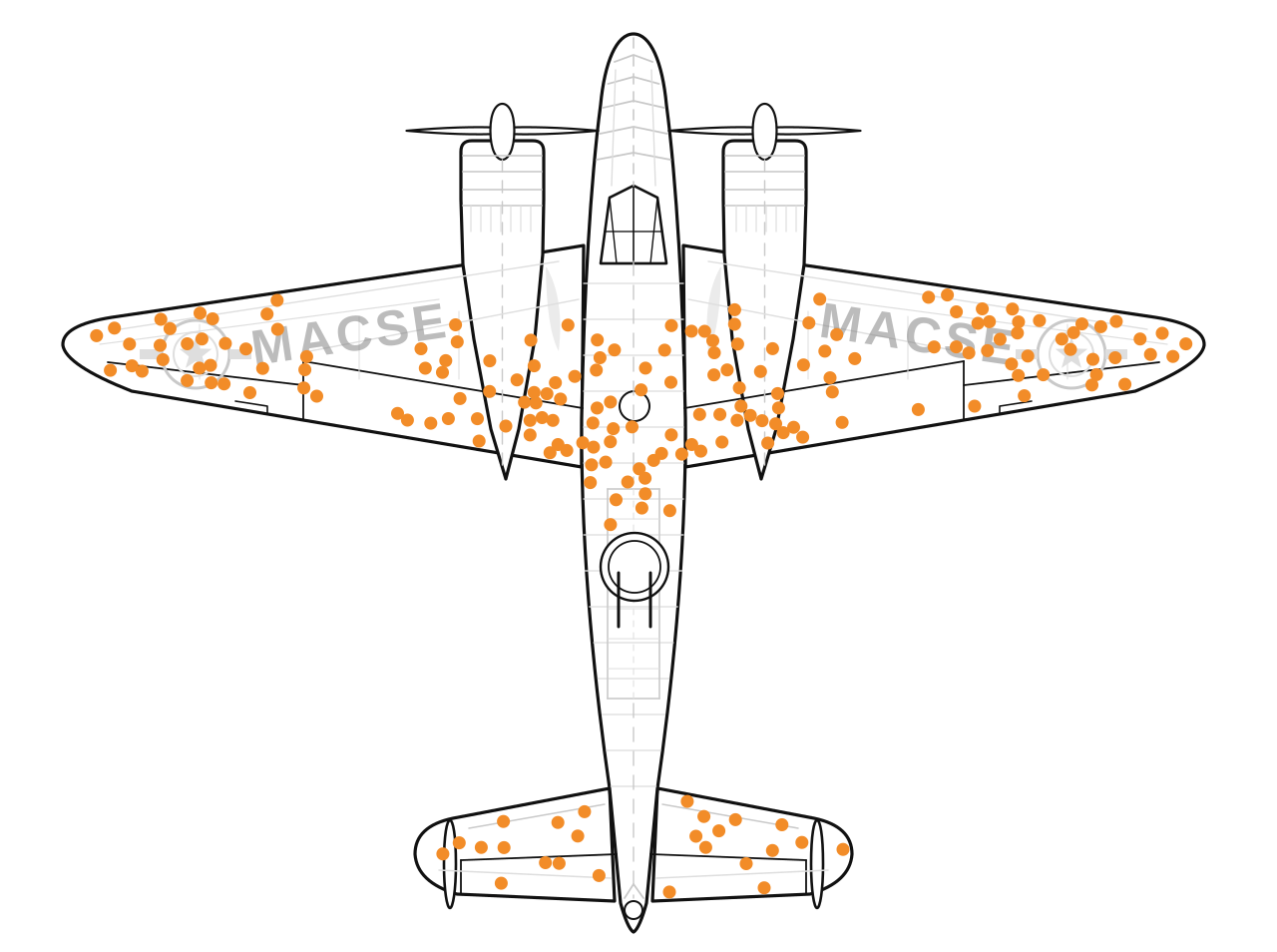
Durante la Seconda guerra mondiale i vertici militari americani studiavano i bombardieri che rientravano dalle missioni, crivellati di proiettili, al fine di rinforzare le zone più colpite. Fu uno statistico della Columbia University, Abraham Wald, a ribaltare il ragionamento: quegli aerei erano tornati. Andavano corazzate le zone intatte, perché gli aerei colpiti in quei punti erano quelli che non erano mai rientrati alla base.
La lettura dei risultati del MACSE si presta alla stessa lettura. Dei circa 43 GWh offerti ne sono “rientrati” 16, e si possono passare settimane a studiare le offerte di chi è atterrato bene ed è entrato nel meccanismo. Ma il capitolo nuovo dei BESS italiani, quello che serve per gli obiettivi 2030 e oltre, si scrive altrove, tra i gigawattora che sulla pista del MACSE non sono mai atterrati. Di che cosa hanno bisogno gli esclusi per stare in piedi?
La risposta passa per forza di cose dal mercato privato dei tolling e dalla sua profondità.
E non si può non menzionare quanto successo l’anno scorso a valle della pubblicazione dei risultati del primo MACSE, quando gli off-taker – spiazzati dai numeri di chi aveva vinto – hanno repentinamente rivisto i prezzi degli FPA (Flexibility Purchase Agreements) al ribasso ottenendo però il risultato contrario, ovvero che per svariati mesi non si è firmato quasi nulla. In altre parole, gli off-taker che avevano letto in quei risultati del primo MACSE un’occasione di acquistare flessibilità a prezzo di saldo si sono ritrovati a non firmare nulla finché, con la primavera di quest’anno, non hanno rialzato i prezzi. È stato un errore grave, che il mercato ha già pagato per intero e che (speriamo!) abbia insegnato qualcosa a tutti.
Ma torniamo a Wald e ai nostri velivoli, perché un’altra cosa che anche volendo non si può leggere dai risultati del MACSE è la presenza di un terzo tipo di aereo. Quello che non è proprio decollato, perché il pilota aveva già deciso che la battaglia MACSE non era degna di essere combattuta. In questa situazione è sicuramente l’approccio più interessante di tutti da studiare ma certamente quello di cui si parla (almeno per ora) di meno. Nell’ultimo mese, mentre quasi tutti si preparavano al 24 novembre, si sono chiusi moltissimi accordi privati di flessibilità su impianti al Sud e nelle isole, con durate contrattuali ormai paragonabili a quelle del MACSE e remunerazioni superiori. Sono costati svariati mesi di lavoro e, per ora, non sono ancora stati resi pubblici.
Quanti sono, a quali condizioni, con chi: i dettagli restano, com’è giusto, tra le parti. Qualche ordine di grandezza, però, si può dare. Nel complesso parliamo di quasi 1 GW di accordi (e lo sappiamo bene perché più della metà è passata dal tavolo di ONE). Sono contratti che hanno richiesto grandissimo lavoro per risultare pienamente bancabili e con durate fino a 15 anni: volumi che fino a ieri avremmo attribuito all’intera profondità del mercato italiano di prodotti bancabile e che invece ne rappresentavano, almeno fino a ieri, solo una parte.
Ora la palla passa agli investitori rimasti fuori dal MACSE. Hanno buoni progetti, spesso buoni siti, e davanti un mercato privato che negli ultimi mesi ha offerto durate e profondità che un anno fa non c’erano. Serve ripartire con ordine, con una strategia di accordi ben definita prima di sedersi al tavolo e con le idee chiare su quali strutture contrattuali reggono davanti a una banca e quali no. Ma la palla è anche nel campo degli off-taker. L’anno scorso hanno letto il risultato del MACSE come una manna e hanno pagato l’errore con mesi di mercato al palo. Ora tocca a loro – e non solo a quelli che gli accordi li hanno poii chiusi in questi ultimi mesi – dimostrare di aver imparato la lezione, e di aver capito che il mercato libero deve rispondere alle esigenze di chi è rimasto fuori dal MACSE, non a inseguire i prezzi di chi ci è entrato.
Wald ci ha insegnato a guardare dove non ci sono fori di proiettile. Nel caso del MACSE, è proprio lì che si sta già scrivendo il prossimo capitolo dei BESS italiani.
MACSE 2 results: look at the planes that never landed
In the boardrooms of every independent investor (and more than a few off-takers), there is only one topic today: who won the MACSE, at what price, and with what numbers. Bids are being taken apart, capex rebuilt, and everyone is trying to guess the revenues behind that average of €11,382/MWh-year – 12% below 2028 and light years away from the 27,000 reserve premium. It is a legitimate exercise, and we at ONE have done it too. But the most interesting part may lie elsewhere.
Let’s start there anyway. There is little to add on Enel: it repeated last year’s strategy, exactly as anyone who knows the market expected. The real question concerns the independents that secured a share of the capacity. Do those projects stand on their own at these prices, or are they the enabler of a larger portfolio investment, and therefore impossible to replicate for anyone reasoning on a single asset? The answer determines how to read that price drop: either as the price the market can genuinely sustain, or as the price of players who can afford thin margins at this table because they make their money elsewhere.
But now to the most interesting part.
During the Second World War, the US military studied bombers returning from missions riddled with bullet holes, with the aim of reinforcing the areas that had been hit most. It was a Columbia University statistician, Abraham Wald, who turned the reasoning on its head: those planes had made it back. The armor belonged on the untouched areas, because the planes hit there were the ones that never returned to base.
The MACSE results lend themselves to the same reading. Of the roughly 43 GWh offered, 16 “made it back,” and one could spend weeks studying the bids of those who landed safely and entered the scheme. But the new chapter of Italian BESS, the one needed to meet the 2030 targets and beyond, is being written elsewhere: among the gigawatt-hours that never landed on the MACSE runway. What do those left out need to stand on their own feet?
The answer inevitably runs through the private tolling market and its depth. And it is impossible not to mention what happened last year after the results of the first MACSE were published. Caught off guard by the winners’ numbers, off-takers hastily cut their prices for FPAs (Flexibility Purchase Agreements), and achieved the opposite of what they wanted: for several months, almost nothing was signed. In other words, the off-takers who saw those first results as a chance to buy flexibility at bargain prices ended up signing nothing until, this spring, they raised their prices again. It was a serious mistake, one the market has already paid for in full and which, we hope, has taught everyone something.
But let’s get back to Wald and our aircraft, because there is something else the MACSE results cannot show, however hard you look: a third type of plane. The one that never took off, because its pilot had already decided the MACSE battle was not worth fighting. This is certainly the most interesting approach to study, yet the one people talk about least, at least for now. Over the past month, while almost everyone was preparing for November 24, a large number of private flexibility agreements were signed for plants in the South and on the islands, with contract terms now comparable to the MACSE and higher remuneration. They took months of work and, so far, have not been made public.
How many, on what terms, with whom: the details rightly remain between the parties. But we can give a sense of scale. In total, we are talking about almost 1 GW of agreements (and we know this well, because more than half of them went through ONE’s desk). These contracts took an enormous amount of work to become fully bankable, with terms of up to 15 years. Until recently, we would have considered these volumes to be the entire depth of the Italian market for bankable products. In fact, they were only part of it.
Now the ball is in the court of the investors left out of the MACSE. They have good projects, often good sites, and a private market that in recent months has offered terms and depth that did not exist a year ago. They need to restart in an orderly way, with a clearly defined contracting strategy before sitting down at the table, and a clear view of which contractual structures will hold up in front of a bank and which will not. But the ball is also in the off-takers’ court. Last year they read the MACSE results as a windfall, and paid for that mistake with months of stalled market. Now it is up to them, and not only to those who went on to sign agreements in recent months, to show that they have learned the lesson: the free market must meet the needs of those left out of the MACSE, not chase the prices of those who got in.
Wald taught us to look where there are no bullet holes. In the case of the MACSE, that is exactly where the next chapter of Italian BESS is already being written.
Recent Post
MACSE 2 results: look at the planes that never landed
MACSE 2 results: look at the planes that never landed Get in touch Risultati MACSE 2: guardare gli aerei che...
Learn More
ONE acquires 30% stake in ENZEE
ONE acquires 30% stake in ENZEE Get in touch ONE acquires 30% stake in ENZEE Our New Energy’s investment vehicle...
Learn More
ITALY | Energy Release 2.0: Navigating the Competitive Auction
Energy Release 2.0: Navigating the Competitive Auction Get in touch ITALY | SOLAR – Energy Release 2.0: Navigating the Competitive...
Learn More